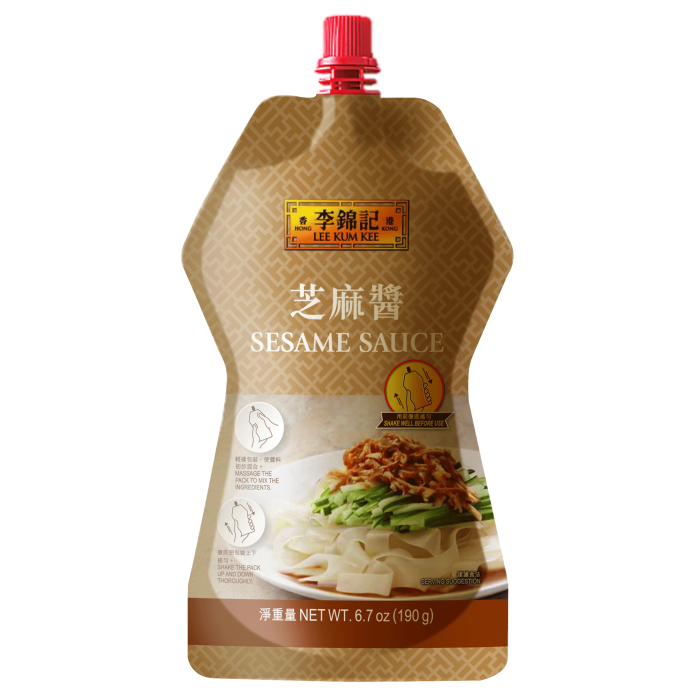
Chinese Sesame Sauce

 |
|
Description
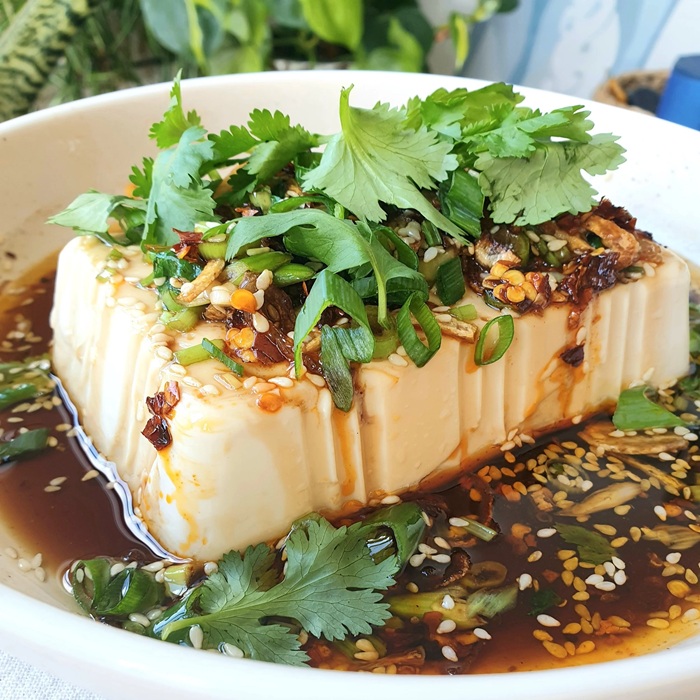
Chinese sesame sauce, or zhima jiang (芝麻酱), is a rich, nutty, savory paste made from toasted sesame seeds, distinct from lighter Middle Eastern tahini by its deeper flavor from roasting and often coarser texture, used as a base for dips, dressings (like for Dan Dan noodles or cold vegetables), marinades, and hot pot sauces, blending savory soy sauce with vinegar, garlic, and sugar.Key characteristics:
Ingredients: Primarily toasted sesame seeds (white or black), but store-bought versions often add soy sauce, vinegar, sugar, water, and oils.
Flavor: Deeply nutty, savory, earthy, and slightly bitter, with varying sweetness depending on additions.
Texture: Thick and creamy, but often looser than pure tahini, designed to coat food well.
Variations: White sesame paste is common for savory dishes, while black sesame paste is often sweeter and used in desserts.
Common uses:
Noodles: Drizzled over cold noodles (liangmian) or as the base for Dan Dan noodles.
Dips: For hot pot, dumplings, or steamed vegetables like eggplant.
Dressings: For salads, especially spinach (goma-ae) or cabbage.
Marinades: Mixed with soy sauce, garlic, and wine for grilled meats or chicken.
How it differs from Tahini:
Toasting: Chinese sesame paste uses heavily toasted seeds for a more intense, aromatic flavor, while tahini uses untoasted or lightly toasted seeds.
Flavor Profile: Sesame paste is more assertive and nutty; tahini can be slightly more bitter and is the base for hummus.