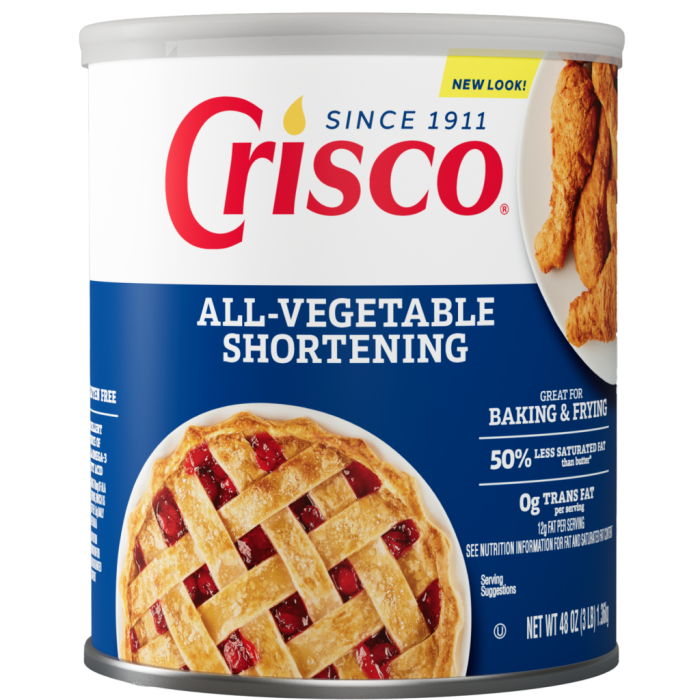
Vegetable Shortening

 |
|
Description
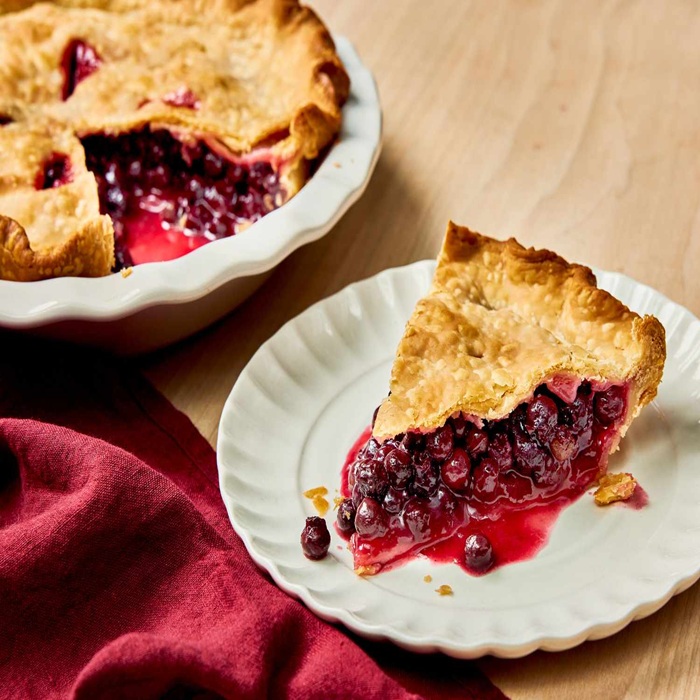
"Shortening cubed" refers to the state of solid vegetable shortening that has been cut into cubes, a common step in preparing it for baking recipes like pie crusts or biscuits. The process of cutting shortening into cubes and mixing it with flour helps create the "short" texture in baked goods, which is crumbly and flaky because the fat prevents long gluten strands from forming.How "shortening cubed" is used in baking
Purpose: Cubing shortening is part of the process of incorporating it into dry ingredients to make a "short" dough.
Method: You would cut the shortening into cubes and then, using a pastry blender, your fingers, or a food processor, cut the cubes into the flour until they reach the desired size.
Texture: The final texture of the baked good depends on the size of the shortening pieces.
Pea-sized pieces: Lead to a flakier result, ideal for pie crusts.
Coarse grain size: Leads to a crumblier texture, like a streusel.
What is shortening?
Composition: Shortening is a solid fat made from vegetable oil that has been hydrogenated to become solid at room temperature.
Function: It is used in baking to make baked goods tender, flaky, and soft.
Characteristics: It has a neutral flavor and a higher melting point than butter, which helps baked goods maintain their shape and rise higher.